
Geekbench 7, the latest version of Primate Labs’ cross-platform benchmark, is now available for download - running natively on Linux and staying free for personal use.
Geekbench runs standardized tests to measure a device’s CPU and GPU performance, making it easy to compare different systems and platforms directly.
Version 7 adds new media workloads for audio and video encoding (AV1, Opus, Whisper speech recognition), a new Game Physics test built on the Jolt Physics engine, and a redesigned multi-core benchmark that only runs tasks in multi-threaded mode if they’re actually multi-threaded in real applications. The GPU benchmark now includes machine learning workloads (face tracking, ML upscaling, background blur) and adds CUDA as a fourth supported API alongside OpenCL, Vulkan, and Metal.
Geekbench 7, the latest version of Primate Labs’ cross-platform benchmark, has arrived and features both new and improved workloads to measure the performance of your CPUs and GPUs. Geekbench 7 is available for download today for Android, iOS, Windows, macOS, and Linux.
The multi-core benchmark in Geekbench 7 has been redesigned to better reflect how real applications behave. Not every task in the real world is multi-threaded, and pretending otherwise distorts scores without telling you anything useful about your device.
And by popular demand, CUDA joins OpenCL, Vulkan, and Metal as a supported API in the GPU Benchmark. You can now measure your NVIDIA GPU using the API that powers its most demanding applications.
Geekbench 7 is free (and will remain free) for personal use. Download it today and see how your devices measure up.
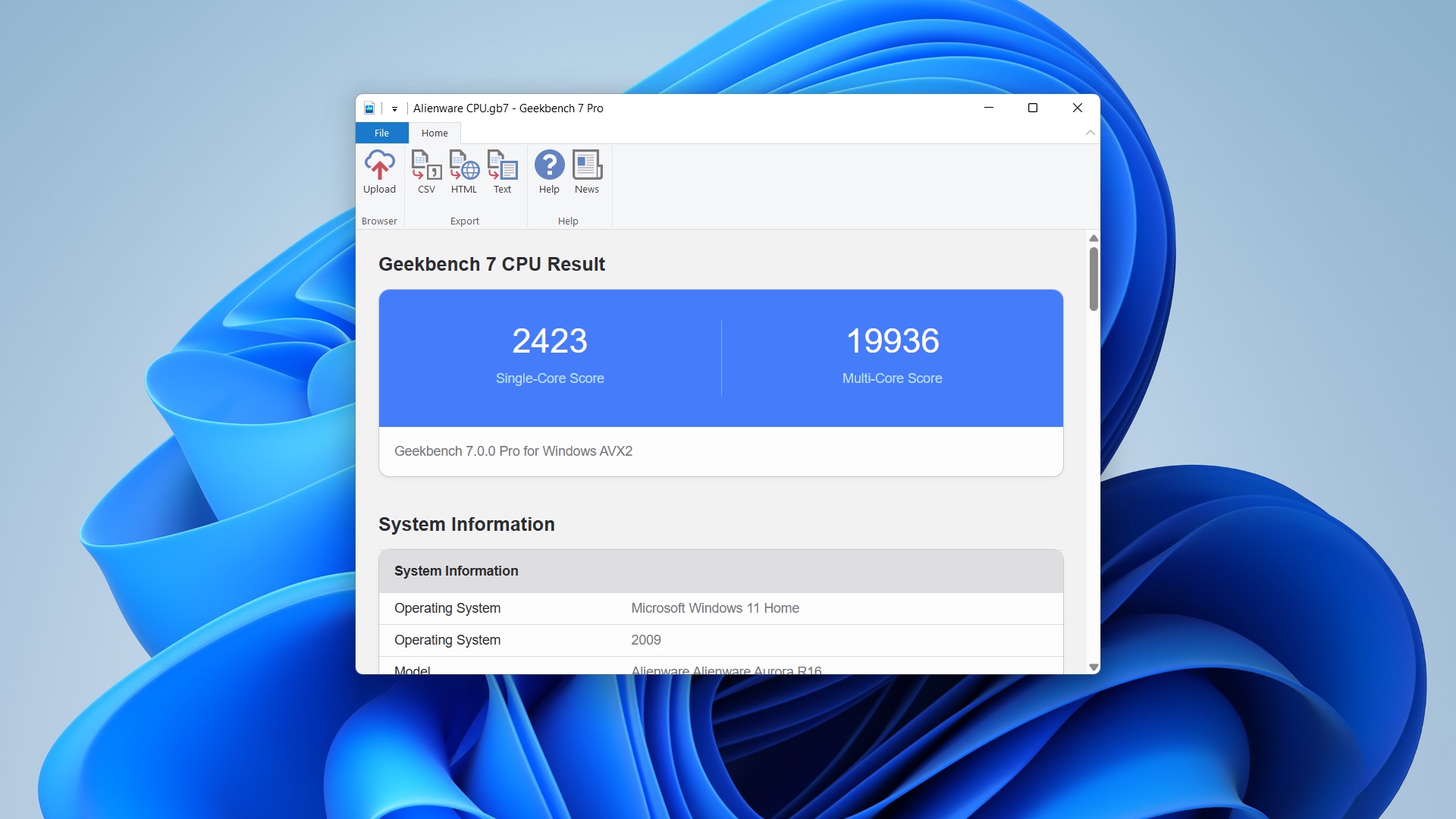
There’s also a launch sale: 20% off Geekbench 7 Pro on the Primate Labs Store, until August 6.
Source: Geekbench Blog